
CAP MIT Thermal Systems Installer | rncp38306
1st year in the initial track
Apprenticeship available in the 2nd year
The CAP can be pursued through full-time study in the first year and may be continued through full-time study or an apprenticeship in the second year.
Holders of this diploma are skilled workers specializing in the installation of heating systems in single-family homes, apartment buildings, commercial properties, and industrial or public buildings.
He handles the installation, maintenance, and repair.
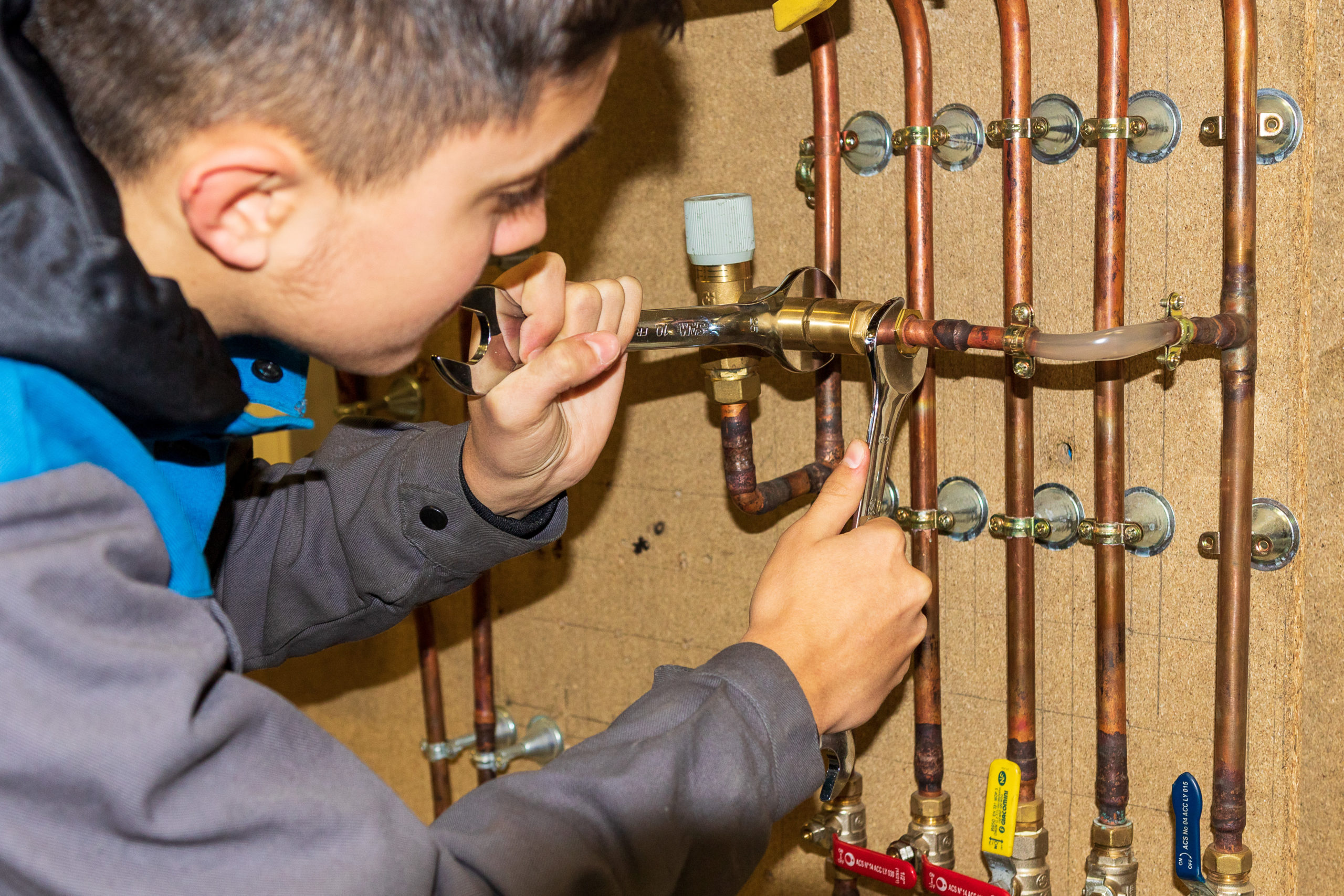
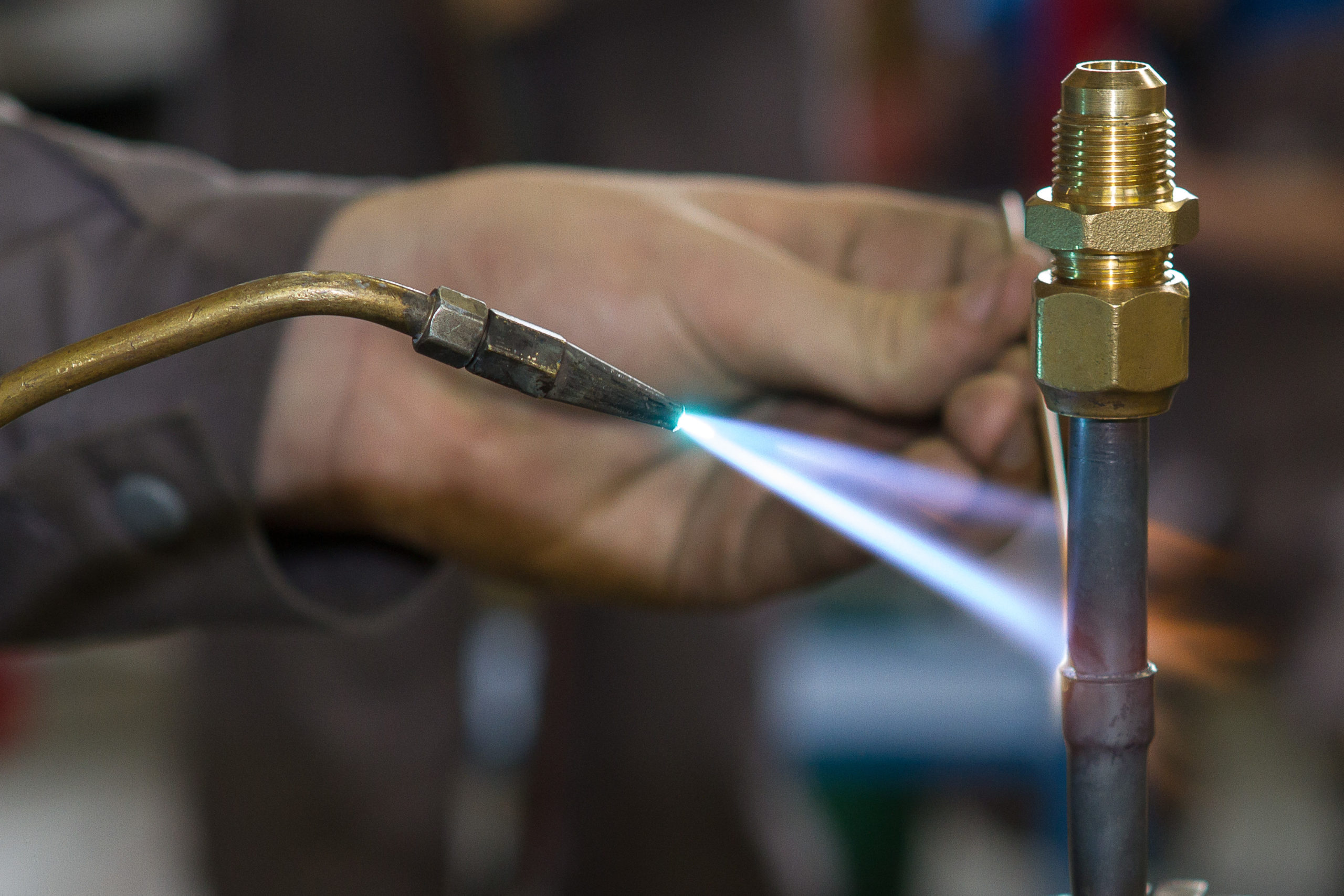
Their duties may include the following: installation: setting up equipment (boilers, radiators, etc.), fabricating and installing piping systems (cutting, bending, welding, etc.), connecting components, and installing and wiring electrical and control equipment; commissioning: checking the operation of the entire system, making adjustments; user training: presenting the installation and operating instructions.
Other services: maintenance (replacement of parts, routine maintenance, etc.), renovation.
Target Audience & Prerequisites
- Young people aged 16 to 29, or even up to 35, depending on the conditions.
- For students under 15, completion of the Common Core Curriculum.
- Students in the 9th grade, or young people with an equivalent or higher-level diploma.
- Job Seeker, Career Change, Individual Training Leave.
Terms of Access
Admission is granted following a review of the application and an interview; final admission is confirmed upon signing the apprenticeship or professional training contract.
The program is available throughout the school year, subject to review of the applicant's academic record.
This training is accessible to people with disabilities following an individualized assessment of the necessary accommodations.
This program is also available in a modified and/or streamlined format for those who hold an equivalent degree in another field.
Duration and cost of the training
Initial training:
- Duration:2 years │ 490 hours of training per year
- Internships: 6 weeks
Apprenticeship training:
- Duration:2 years │ 490 hours of training per year
- Work-study program: 2weeks at a company | 2 weeks at a training center
- Cost: €7,500 covered by OPCO. Cost to the apprentice: €0
Estimated duration and work-study schedule, which can be adjusted based on the company’s needs and the learner’s prerequisites.
Career paths, professions, jobs
Business sectors:
Construction, equipment
Types of jobs available:
Heating installer, heating technician, heating equipment installer
Further education:
Success indicators:
| Number of participants | 6 |
| Exam Success Stories | 6 |
| Failures Exam |
0 |
| Withdrawals during the race | 0 |
| Transition to the workforce after completing a training program | NC |
Find all the performance metrics for our training programs on the INSERJEUNES website
Located in Sury-le-Comtal, in the heart of the Forez Plain and within an employment area that aligns with the training programs offered there, the CFA Sainte-Claire is easily accessible from throughout the Auvergne-Rhône-Alpes region thanks to the Loire’s extensive intercity transportation network.
You will complete your training in a 4,500-square-meter facility equipped with state-of-the-art technical training spaces. The CFA also features a dormitory with 84 beds that can accommodate students from all over France, as well as a self-service cafeteria offering breakfast, lunch, and dinner.
Program:
Professional skill modules
UP 1 − Planning and preparation of an intervention
– Complete and submit documents
– Interpret a technical file for a heating system
– Select materials and tools
UP2 – Construction of a standard structure
– Determine the supplies needed for the project
– Plan the work
– Ensure safety during the work
– Receive and inspect supplies
– Set up equipment
– Lay out the heating system
– Install supports and equipment
– Assemble and connect systems
– Inspect the completed work
UP3: Performance of Specific Work
– Communicate and provide oral reports
– Perform a commissioning procedure
– Apply a preventive maintenance procedure
– Perform a corrective maintenance procedure
The assessment procedures are described in the appendices to the decree establishing the degree that pertain to assessment (see, in particular, the examination regulations and the definitions of the exams).
General Education Modules
Module 1: French – History and Geography – Ethics and Civics
►Engaging in oral communication: listening, responding, expressing oneself
►Engaging in written communication: reading, analyzing, writing
►Becoming a competent and critical reader
►Comparing knowledge and values to build one’s cultural identity
►Understand the diversity of societies and the richness of cultures
►Identify the context of the situation being studied in time and space
►Identify, classify, and prioritize the information contained in a document according to given criteria
►Develop a civic mindset based on one’s daily environment
Block 2: Mathematics – Physics and Chemistry
► Search for, extract, and organize information
► Propose, select, and implement a problem-solving method
► Experiment
► Critique a result with supporting arguments
► Report on a process
Teaching and technical resources:
The training takes place in our technical workshops dedicated to the energy sector.
The program is delivered through an active learning approach, alternating between classroom instruction and on-the-job training: workshops, tools, materials for working with copper, steel, and other metals; multi-brand boilers; heat pumps; technical manuals; handbooks; worksheets; course materials; exercises; and more.
A computer lab equipped with 14 computers is available for conducting technological research.
A "traditional" classroom is also used whenever necessary.
Assessment Criteria
Learning outcomes are assessed throughout the training program and are documented in a skills log.
The satisfaction survey is conducted at the end of the program
The diploma is awarded upon successful completion of the CAP exams at the end of the senior year.
Monitoring procedures:
The program is based on teaching methods that focus on individualized instruction.
We have chosen an educational strategy aimed at:
Tailor learning paths by offering each individual a personalized program,
Foster independence by empowering our trainees to take ownership of their learning,
Develop a culture of technology by integrating all components, including those related to workplace safety,
Cultivate professional attitudes, methods, and rigor.
Course modules and individualized case studies are validated by the lead instructor through collaborative work in small groups.
Practical training sessions are evaluated individually by the lead instructor, who records the results in a skills portfolio.
Supervised sessions for tutorials and practical work are also scheduled to prepare for the certification.
A computer lab is available for preparing the internship and workplace activity report, which is required to pass the CAP MIT.