
The 9th Grade Vocational Prep Class
This specific program, which combines general education with vocational training, allows students to explore a range of career paths by the end of eighth grade and supports them as they continue to develop their career plans, particularly toward vocational education or apprenticeships.
The 9th-grade "vocational preparation" class is part of the personalized learning pathway program.
As with any 9th-grade class, the curriculum is designed to help students master the core curriculum of knowledge, skills, and culture.
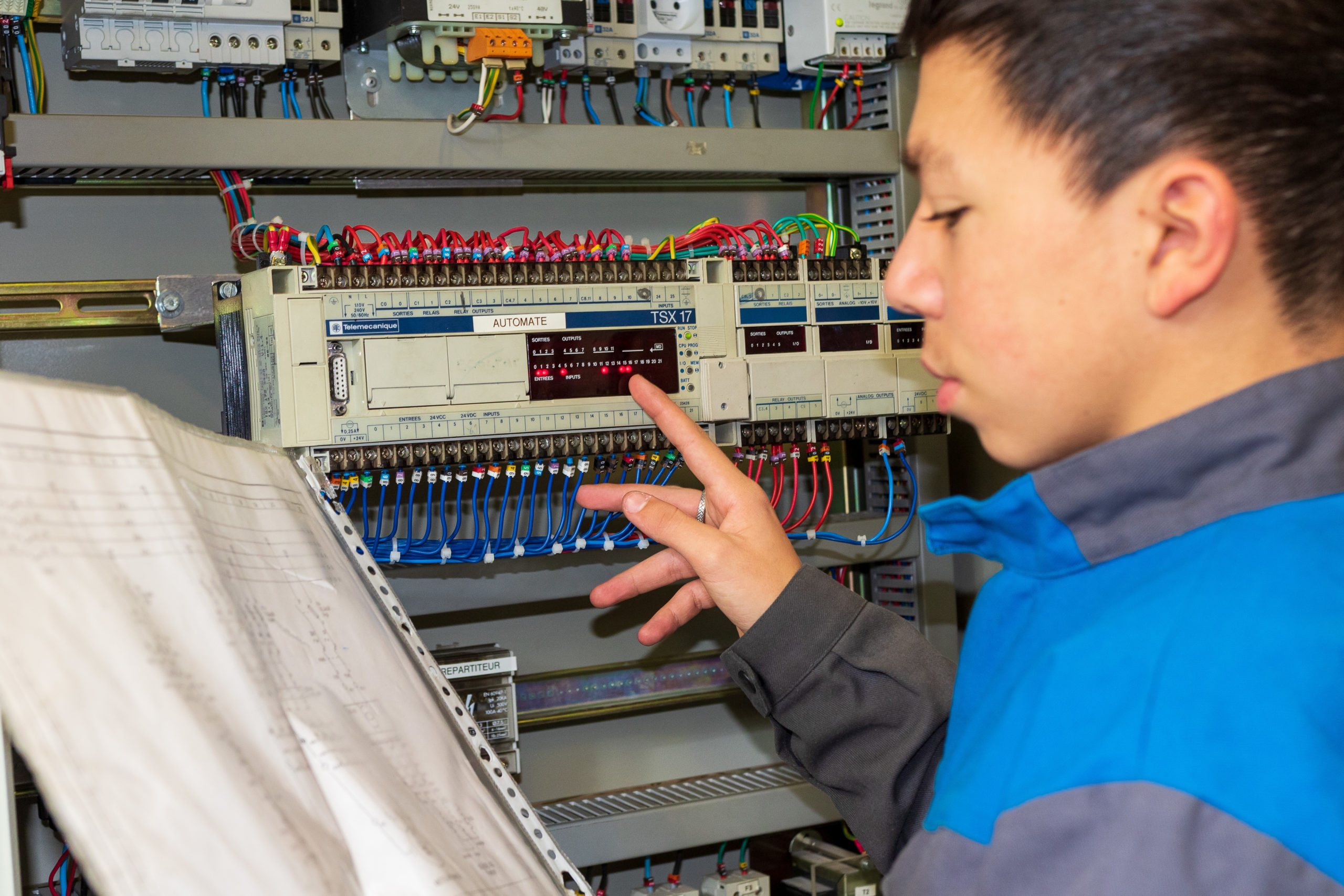
Student admission:
Students in their final year of 8th grade who wish to enroll in a 9th-grade “vocational preparation” program, with the consent of their legal guardians, must submit an application to the principal of their current school.
During the eighth grade, a personalized meeting focused on the student’s motivation and an assessment of their progress will be held with the homeroom teacher and possibly other members of the teaching staff.
This meeting gives the student and their family an opportunity to review the progress of their career planning.
Following this discussion, the student and their legal guardians may apply for a 9th-grade “vocational preparation” class when submitting their final course selections for the class council meeting in the third quarter of 8th grade.
Following a recommendation from the class council, the proposal to advance to the “vocational preparation” program in ninth grade is reviewed by academic or departmental committees, which then notify the school and the students’ legal guardians of the decision regarding the request.
Further education:
Upon completing the ninth-grade “vocational preparation” program, students go through the same guidance and placement process as other students.
Access to vocational training for these students is facilitated by preferential consideration, under the authority of the school district superintendent, when processing their requests for placement in vocational programs.
Most students go on to vocational high school or an apprenticeship, but nothing prevents them from continuing their studies in the general or technological track.
Program:
The class schedule includes:
- 23 hours of subject-specific instruction per week;
- 2 hours per week of review in French and mathematics;
- 180 hours per year dedicated to exploring career options and educational programs
The personalization of the academic curriculum is further enhanced by the introduction of 72 hours per year of remedial instruction in French and mathematics.
The National Brevet Diploma (DNB)
Students in the 9th-grade "vocational preparation" program may take the National Diploma (DNB) in either the vocational track or the general track. Courses in career exploration and vocational training may allow students to earn extra points toward the DNB. They may also choose to take the General Education Certificate (CFG).
For students in the vocational track of the DNB, separate exam questions are developed to reflect the specific characteristics of 9th-grade “vocational preparation” classes, general education and adapted vocational education classes, and 9th-grade agricultural education classes.
Success indicators:
- Pass rate for the DNB vocational track, 2023 session 86%
Course schedule:
| Courses | Weekly Schedule |
|---|---|
| English | 5 hours, including 1 hour of review |
| Mathematics | 4 hours and 30 minutes, including 1 hour of review |
| History, Geography, and Social Studies | 3 hours |
| Modern Languages (First and Second Language) | 5:30 a.m. |
| Art classes | 1 hour |
| Science and Technology Education | 3 hours |
| Physical Education and Sports | 3 hours |
| Career exploration courses on various professions and vocational training programs | 5 hours (180 hours annually) |
| Total (*) | 30 hours |
|
(*) In addition: at least 10 hours of classroom instruction per grade level; as a guideline, 36 hours of career guidance per year; 1 to 5 weeks of internships and immersion periods |
|